
Publication: Accounts Commission Annual review 2025/26

Our work and impact Annual review 2025/26
Chair's welcome
Local government continues to face significant challenges.
Demand for services and the costs of providing them continue to grow, while funding has not kept pace. The need for redesign of services is urgent to address the scale of financial and services pressure, and councils need to ensure they engage with their communities about key decisions ahead.
During 2025/26 we:
- continued to deliver financial audit, and rolled out our new response framework to significant issues
- highlighted good practice, provided tools to help decision-makers and engaged with councils to discuss what we found
- examined areas that require other partners to work with local government, such as flooding, care experience and delayed discharges.
Jo Armstrong
Chair, Accounts Commission for Scotland
Our year in numbers


 123 Annual audits of local government accounts
 9 Reports on how well councils achieve Best Value
 3 Statutory reports on areas of concern
 £27.4bn Local government spending scrutinised
 8 Performance audits on key public services
 3 Blogs and briefings on topical issues
 19 Meetings and events with local government leaders
 47,000 Downloads and web views of our reports
Our reporting
Reporting in public is central to our role of holding local government to account and supporting improvement.
We report on how well councils manage and report their finances, on how well they achieve Best Value in their use of public money, and on issues of importance to people’s quality of life and the services they use and rely on.
Financial audits
We oversee the annual audit of all local government accounts in Scotland, carried out by Audit Scotland and private firms contracted on our behalf. Financial audits are the bedrock of the assurance we provide about how taxpayers’ money is managed, and they inform the areas where we want to help drive improvement.
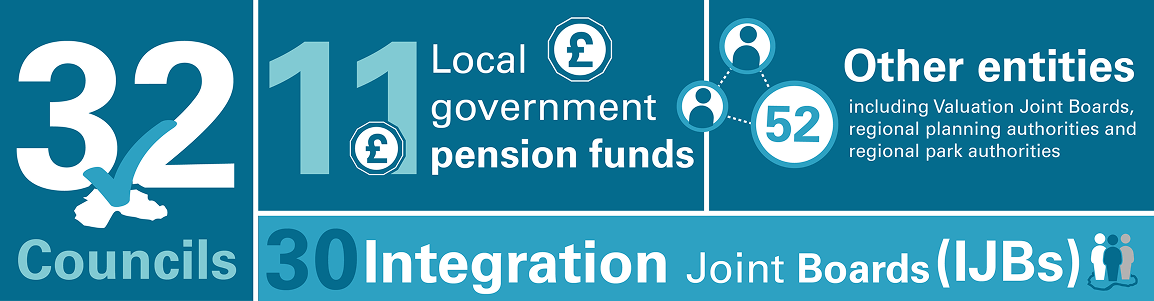
- 32 councils
- 11 Local government pension funds
- 52 other entities including Valuation Join Boards, regional planning authorities and regional park authorities.
- 30 Integration Joint Boards (IJBs)*
Raising of concerns from accounts
Under the Local Government (Scotland) Act 1973, the Controller of Audit can report to the Accounts Commission on matters of concern identified during audit work. In 2025/26, the Controller of Audit issued three such reports:
Comhairle nan Eilean Siar: Cyber-attack
We emphasised that all Scottish councils must learn lessons given the dynamic nature of cyber threats and risks.
Clackmannanshire and Stirling IJB: Section 95 officer
The IJB was without a designated chief finance officer for two months, a serious governance failure with wider learning for all IJBs.
In response to each report, we set out clear expectations of the actions that the council should take in response to the issues identified. These actions are followed up by auditors as part of their annual work.
Best Value
Councils in Scotland have a specific legal duty to take actions to achieve continuous improvement and ensure efficiency and effectiveness, known as Best Value. We assess this for each council each year alongside the financial audits.
We also publish a fuller Best Value report on each council at least once every five years.

Interactive data map:
Areas with a Best Value report are highlighted on the map. Use the search box below to find your local authority. Alternatively, you can search our publications page.
Reporting on national issues
Through our overview and national performance audits, we consider the efficiency and effectiveness of public spending across areas such as key public services, major projects and the implementation of policies and reforms.
From planning to impact and the journey of our work
Download a transcript of our animation
Our audit of delays in discharging patients from hospital found that the delays are a symptom of wider pressures across health and social care in Scotland. They affect people’s physical and mental health, and make it harder to admit others to hospital.
Interactive data: Percentage of delayed discharge reasons, average number across monthly censuses between April 2024 and March 2025

| 28% | Awaiting place availability: for example, waiting for a care home place. |
|---|---|
| 27% | Complex delays: people delayed due to awaiting place availability in a high-level needs specialist facility, and where an interim option is not appropriate or where an adult may lack capacity. |
| 27% | Awaiting completion of care arrangements: for example, people waiting on a care package (eg, home care, equipment support services). |
| 14% | Awaiting community care assessment: for example, people waiting for a formal evaluation of their care needs by community-based professionals (eg, social workers, occupational therapists, or other adult social care staff). |
| 4% | Other reasons: includes patient and family-related delays, awaiting funding and transport. |
Source: Delayed Discharges in NHS Scotland, Annual summary of occupied bed days and census figures: Data to March 2025, Public Health Scotland, June 2025.
Our impact
Reaching audiences
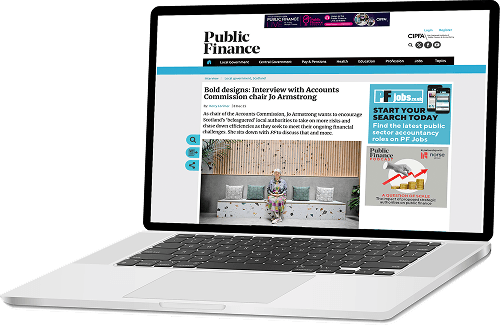
We want our work to address issues that are important to individuals, communities and organisations across Scotland and in all walks of life. We aim to ensure our work is as accessible and relevant as possible. To do this, we often take bespoke and varied approaches to reach our diverse audiences, and share good practice that we find.
Making a difference
Our work generates data, insights and analysis that can support local government improvement. We share good practice and case studies, and public bodies have told us this is one of the areas where we can add the most value.
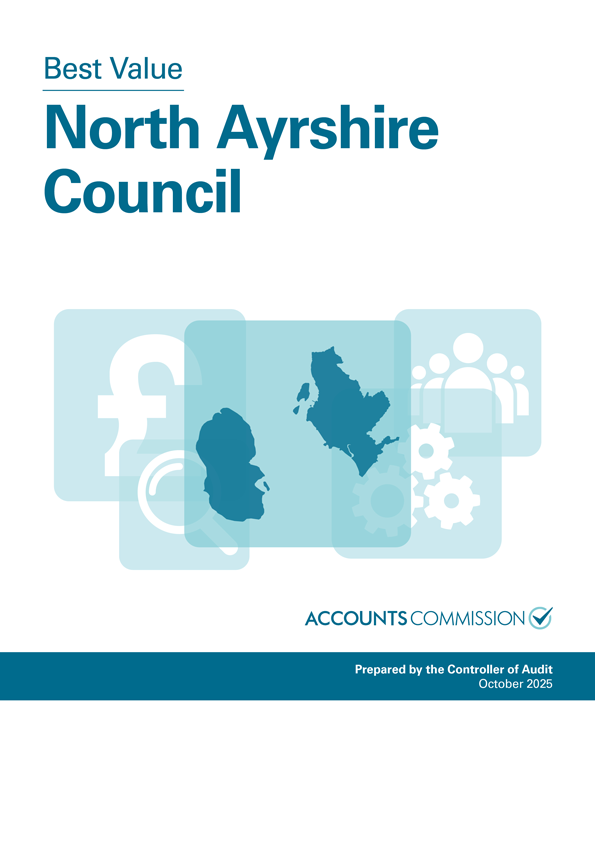
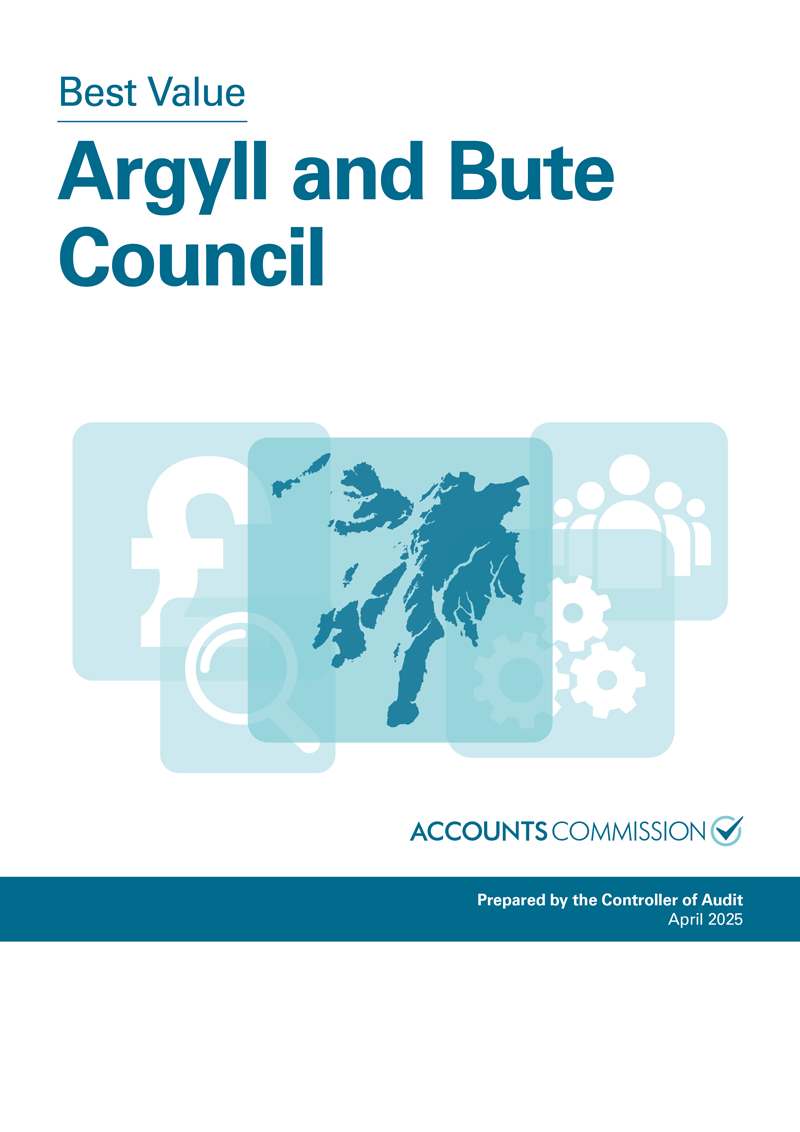
Our Best Value reviews of North Ayrshire and Argyll and Bute councils highlighted approaches to change, innovation and use of technology that others could learn from.
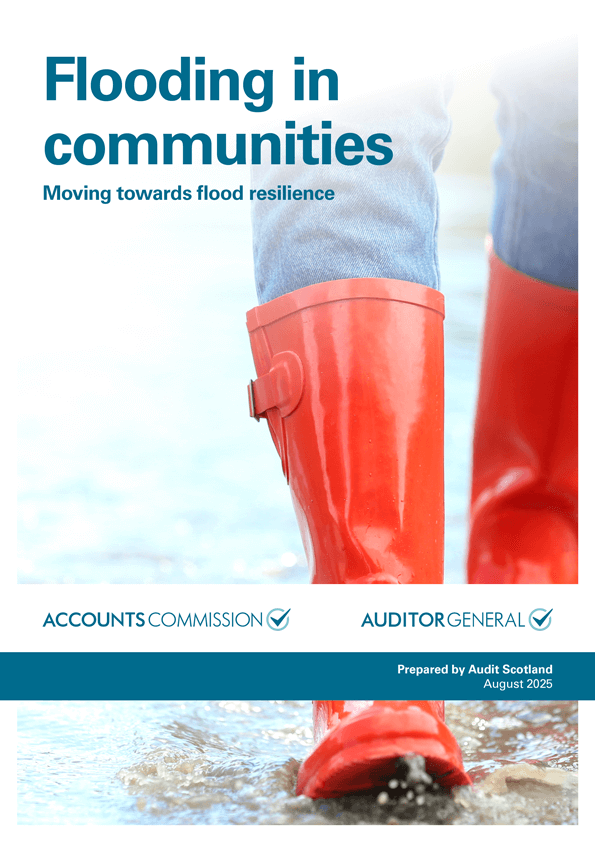
In our report on flooding resilience we reported on innovative approaches taken in different areas to better protect communities.
How we work
Planning our work programme
We discuss and debate current and emerging issues, and each March and September we come together with Audit Scotland colleagues to discuss and consider the key risks and current issues facing local government. We establish what we think should be the focus of our work for the coming year.
Engaging with stakeholders
We want stakeholders, including the public and councils, to trust and have confidence in our work. Only by understanding what is important to them can we deliver reports that are valued, credible and drive improvement. While we work and report independently, we engage with a wide range of stakeholders.
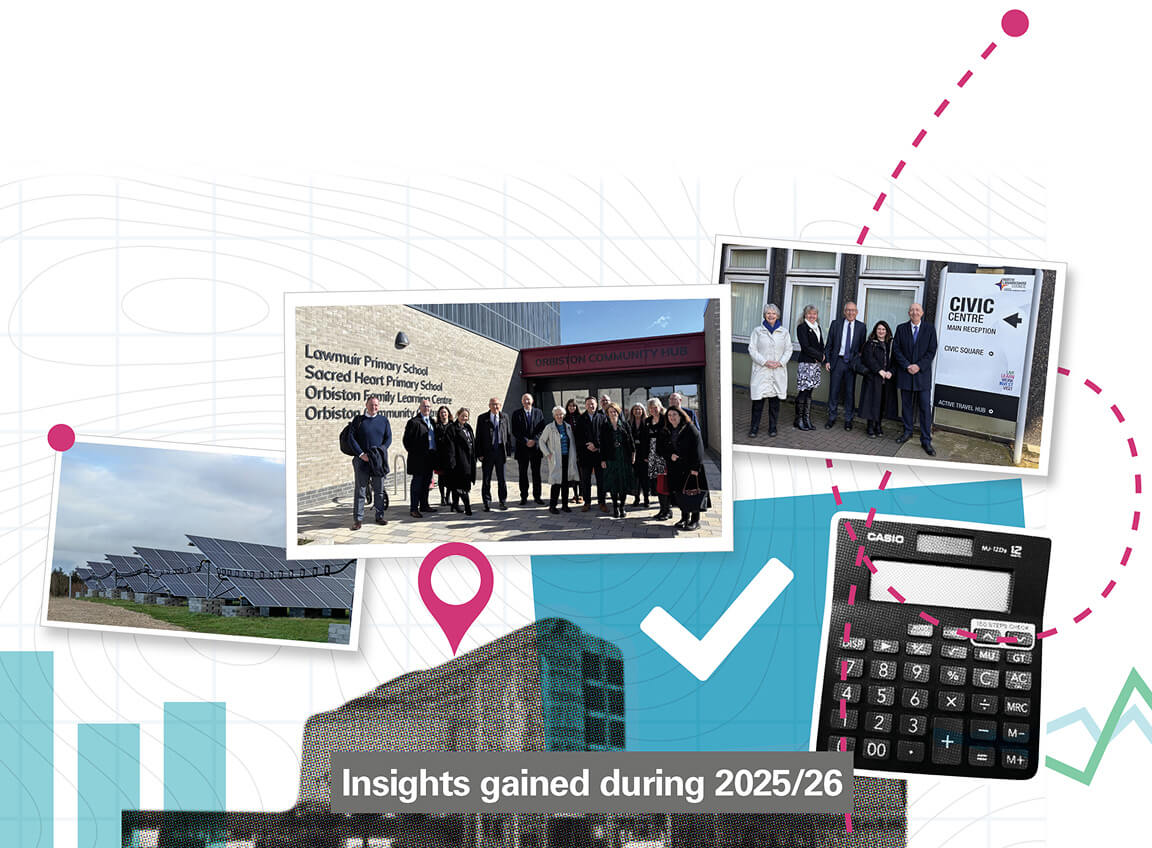
Note: Photos from visits to North Lanarkshire Council and North Ayrshire Council in 2025/26



